
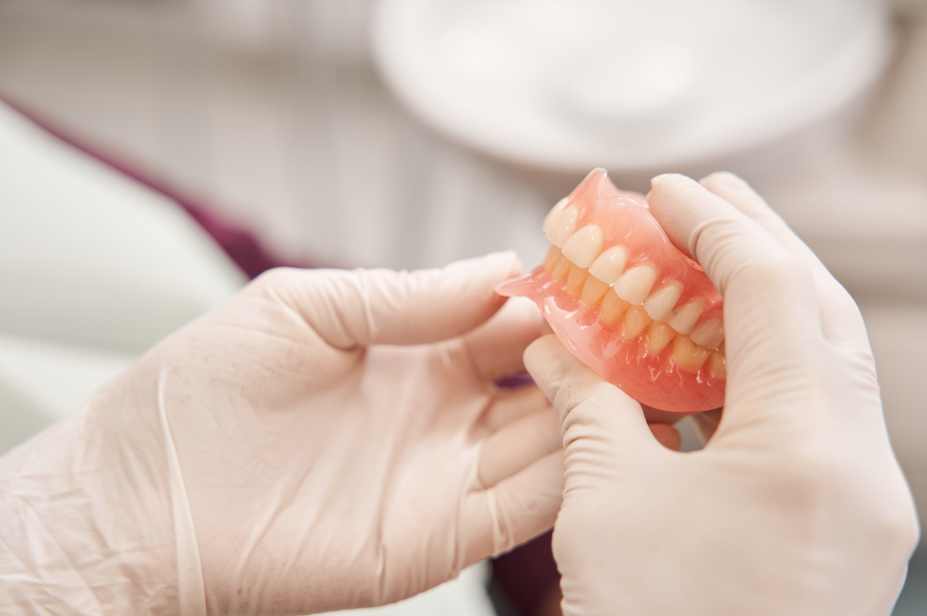
Tooth loss has affected humans for centuries, but the way we replace missing teeth has changed dramatically. Dentures, once crude and uncomfortable, have transformed into lifelike, functional restorations that help patients eat, speak, and smile with confidence. Understanding this evolution highlights just how far modern dentistry has come—and why today’s dentures are more comfortable and beneficial than ever.
Early Dentures: Creative but Crude Solutions
The earliest dentures date back thousands of years, when ancient civilizations experimented with materials like carved bone, animal teeth, and even human teeth to replace missing ones. In the 18th and 19th centuries, dentures were often made from ivory, porcelain, or real human teeth collected from battlefield casualties or grave robbing.
While innovative for their time, these early devices were uncomfortable, poorly fitted, and prone to decay or odor. Without adhesives or precise molding techniques, dentures often slipped out of place, making eating and speaking difficult. These limitations highlighted the need for better materials and improved design.
The Introduction of Vulcanite and Mass Production
A major breakthrough came in the mid-1800s with the introduction of vulcanite, a hardened rubber that could be molded to fit a patient’s mouth. This innovation made dentures more affordable and accessible to the general public. Dentists could now create custom bases that improved stability and comfort.
Mass production also allowed more people to benefit from tooth replacement. Although vulcanite dentures were far from perfect, they represented a significant step toward modern prosthetics by improving fit and reducing cost barriers.
Acrylic Resins and Modern Materials
The 20th century brought one of the most important advancements: acrylic resin. Lightweight, durable, and easy to shape, acrylic quickly became the standard material for denture bases. It allowed for better customization, improved aesthetics, and a more natural gum appearance.
Modern dentures often incorporate high-quality acrylics and composite teeth designed to mimic the translucency and color variations of natural enamel. These materials resist staining and wear, helping dentures maintain their appearance over time. Today’s options are far more lifelike than the flat, artificial smiles of the past.
Digital Dentistry and Precision Fit
Recent technological advances have revolutionized how dentures are designed and fabricated. Digital impressions, 3D imaging, and computer-aided design enable highly precise measurements, resulting in dentures that fit more securely and comfortably.
This precision reduces sore spots, improves chewing efficiency, and shortens adjustment periods. Some dental labs even use 3D printing to create denture prototypes, allowing for faster turnaround times and more predictable results. These innovations help ensure that patients receive restorations tailored to their unique anatomy.
Implant-Supported Dentures: A Modern Game-Changer
One of the most significant developments in tooth replacement is implant-supported dentures. Unlike traditional removable dentures, these restorations attach to dental implants placed in the jawbone, providing exceptional stability.
Implant-supported options help preserve bone structure, improve chewing strength, and eliminate the need for messy adhesives. Patients often report greater confidence when speaking and eating, as their dentures remain securely in place. This modern solution bridges the gap between removable dentures and permanent tooth replacement.
Today’s dentures are a testament to centuries of innovation, offering comfort, durability, and natural aesthetics that were once unimaginable.
About the Practice
Dr. Zachary Brice of Brice Dental is dedicated to restoring both oral health and confidence. Our practice provides comprehensive denture solutions, including full and partial dentures as well as implant-supported options tailored to each patient’s needs. Using modern materials and advanced techniques, the team prioritizes comfort, function, and natural appearance. Our patient-centered approach ensures individuals understand their options and feel supported throughout the tooth replacement process.
Call us at (210) 903-5565 or request an appointment online.